Importance of robotics

The importance of robotics arises from its ability to address some of humanity’s most significant challenges. As countries battle issues like labor shortages, rising production costs, an aging population, and the need for improved service quality, automation has emerged as a reliable and scalable solution. Beyond efficiency, robotics promises improved safety, reduced errors, expanded human potential, and breakthroughs across medicine, education, agriculture, space exploration, and daily life.
Robotics is no longer a futuristic concept confined to science fiction; it is now a central force shaping the global economy, transforming industries, and redefining human capabilities. In the 21st century, the fusion of mechanical engineering, computer science, and Artificial Intelligence (AI) has given rise to intelligent machines capable of performing tasks with exceptional precision, speed, and consistency. These technologies are not merely assisting humans—they are profoundly altering how societies function and how industries operate.

Understanding Robotics-
The Evolution of Robotics
The evolution of robotics is marked by technological leaps:
- Early mechanical manipulators
- Sensor-based robots
- AI-driven intelligent robots
- Collaborative robots enabling human–robot collaboration
- Fully autonomous systems capable of independent decision-making
This progress reflects rapid advancements in computing, materials, and machine learning.

Categories of Robots
Robots today are applied across diverse domains:
- Manufacturing and industrial robots
- Service robots in homes, hospitals, and hotels
- Educational and social robots
- Military and security robots
- Agricultural robots
- Medical and healthcare robotics
- Household robots integrated with smart homes
The variety of robot types shows how central robotics has become in modern life.
Robotics in Industry — Transforming Global Manufacturing
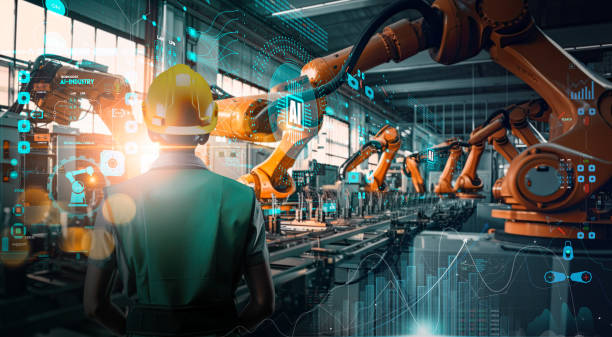
Industrial robots are the backbone of Industry 4.0, reshaping global production systems.
Increased Productivity and Efficiency
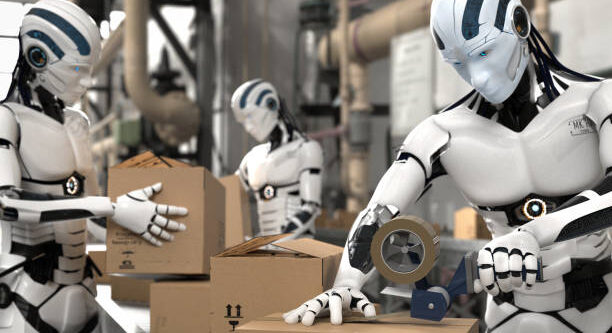
Automation leads to unmatched productivity by enabling machines to operate continuously without fatigue. Robots shorten production cycles, reduce downtime, and improve resource management.
Precision, Accuracy & Quality Control
Modern robots perform tasks with extraordinary precision, reducing human error and producing consistent, high-quality results. This is crucial in electronics, aerospace, and pharmaceutical manufacturing.
Safety for Human Workers
Robots handle hazardous tasks like welding, toxic chemical processing, and high-temperature operations, improving workplace safety dramatically.
Robotics in Healthcare — Saving Lives
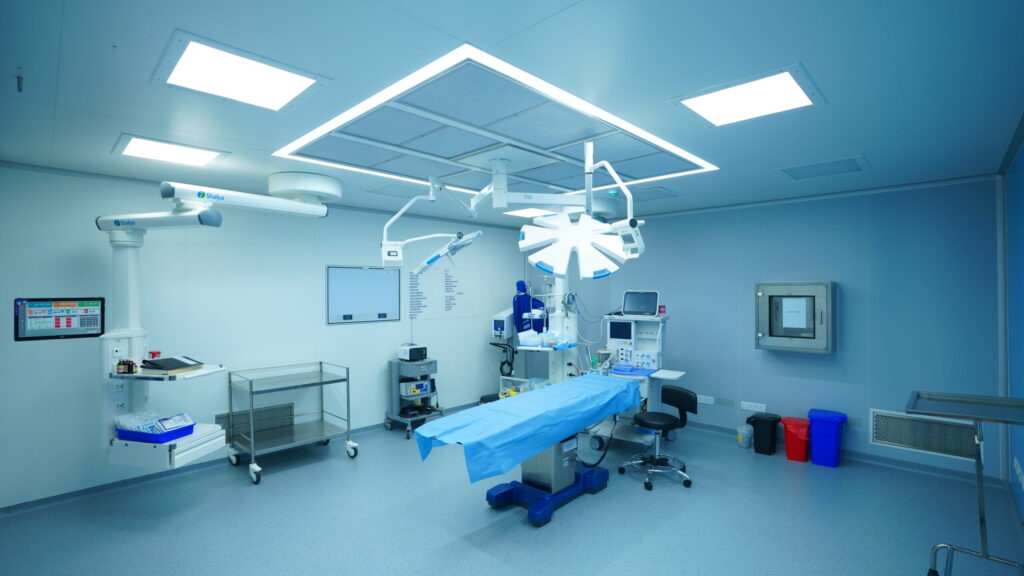
Healthcare is one of the most impactful fields transformed by robotics.
Surgical Robots
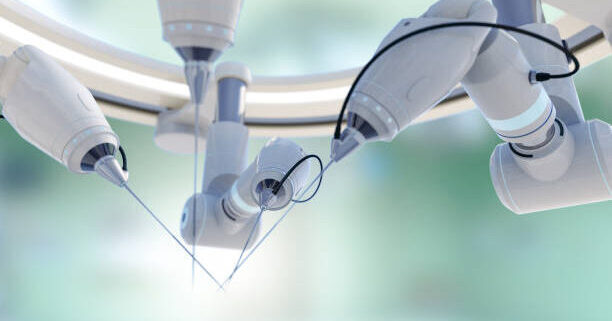
Surgical robots enable minimally invasive procedures with enhanced accuracy and stability. Surgeons can perform delicate operations through tiny incisions with the help of robotic arms.
Rehabilitation Robots
Rehabilitation robots assist patients in recovering from strokes, spinal injuries, or accidents. They support physical therapy and help restore mobility.
Diagnostic Robotics
Advanced diagnostics powered by AI allow robots to detect diseases early, read imaging scans, and analyze medical data more accurately than traditional methods.
Hospital Automation
Robots in hospitals manage disinfecting rooms, delivering medications, and assisting nurses—reducing workload and improving patient care.
Robotics in Daily Life
Household Robots & Smart Homes
In everyday life, robots clean homes, automate kitchens, assist the elderly, and connect with IoT to create smart homes.
Service Robots in Society
From delivery bots to hotel assistants, service robots improve convenience and efficiency.